Our body’s immune response is a beautifully intricate system; it’s the way our body signals the immune system to heal and repair damaged tissue and mount a response against foreign invaders like viruses and bacteria. It is our defense system.
So, a little bit of defense is great – it helps to keep the peace. But chronic and persistent influx of inflammation contributes to the development and progression of a range of chronic diseases including: diabetes, cardiovascular disease, inflammatory gut disorders, arthritis, autoimmunity, obesity, cancer, asthma, allergies and dementia. Following an anti-inflammatory diet and lifestyle can help to lower inflammation and reduce chronic disease. Here are some ideas to get started and dampen that inflammatory burden and stop waging an unnecessary, inflammatory war in your body.
Top Foundational Tips:
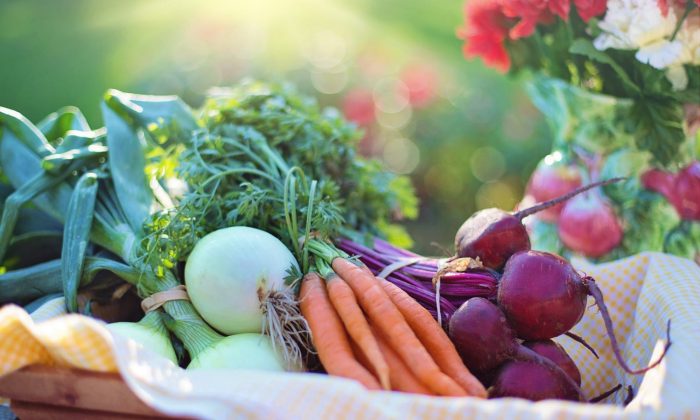
1) Focus on creating a colorful diet (“Count your colors, not your calories.”)
• Eat around 10-12 servings/day of non-starchy vegetables (mostly green and of high nutrient density) and a few servings of fruit.
• Deeply colored fruits and vegetables contain an abundance of protective
phytochemicals, antioxidants and Vitamin C which are all anti-inflammatory powerhouses.
• Start to reframe your meals: The main component of each meal should be non-starchy vegetables (think leafy greens and salad toppings), followed by protein, starchy vegetables (sweet potato, squash, plantains, etc.) and fat sources.
2) Consume essential omega-3 fatty acids.
• Eat two servings (~4 ounces) of wild-caught fatty fish per week or you may consider supplementing with 1–4 g of combined EPA+DHA daily (consult your physician for all supplement guidance).
• Lower your omega-6 fatty acids intake. A healthy ratio of omega-6 to omega-3 intake is ~4:1
while most people are consuming a diet of ~20:1.
3) Choose healthy fats.
• Replace highly inflammatory vegetable oils, trans-fats, and conventional butter
with extra-virgin olive oil, coconut oil, avocado oil, etc.
4) Aim for at least 25-30 g of fiber per day.
• With the addition of vegetables, nuts and seeds in addition to the elimination of refined
carbohydrates (flour, sugar, etc.), increasing your fiber will come naturally.
5) Get enough diverse forms of protein
• Get from plant sources such as vegetables, nuts and seeds as well as lean, grass-fed animal
sources of protein in moderate amounts. Too much animal protein can increase arachidonic acid
which is pro-inflammatory.
6) Eat fermented foods
• Fermented foods are rich in beneficial bacteria to help support a healthy gut.
• You may consider dairy-free or grass-fed yogurt/kefir (if you consume dairy), sauerkraut and kimchi
7) Ensure moderate salt intake
• High salt-diets have been shown to increase inflammatory compounds. While you may have increased salt consumption in a whole foods, home-cooked meal just through seasoning, the majority of people struggle with high sodium intake based on their intake of processed, packaged and take-away meals.
• Season your food with other spices.
8) Lower your glycemic load
• Make sure your diet is rich in fiber, proteins and fats.
• Eat a low to moderate amount of carbohydrates (starchy vegetables, whole grains, etc.).
• Avoid refined carbohydrates, fruit juices, sugary drinks, etc.
9) Increase intake of foods that regulate antioxidant genes
• Ensure intake of steamed broccoli, broccoli sprouts, green tea, quercetin (apples, onions, etc.),
turmeric, grapes, rosemary, and garlic (unless you are sensitive to particular foods).
10) Inhibit inflammatory pathways in the body with food
• Eat a variety of foods including: resveratrol (in grapes), turmeric, green tea, Vitamin C,
broccoli, garlic, Vitamin E, Vitamin D, Vitamin B6/B12, Folate (ie: “foliage” or dark green
vegetables), Magnesium (nuts/seeds), blueberries, ginger, dark chocolate, potassium (ie:
bananas, avocados, etc).
11) Spice it up!
• While you explore using less salt in your cooking, start simultaneously including anti-inflammatory herbs and spices such as garlic, turmeric, rosemary, ginger, cinnamon, clove and oregano in your diet.
• If you are consuming nightshades, cumin and cayenne are also wonderfully anti-inflammatory..
12) Eat mindfully.
• Be aware of your food portions because both quality and quantity are important. Even excess
“healthy” calories can increase inflammation and obesity in the body. There is such thing as too
much of a good thing!
• Savor your food and eat slowly to activate your digestive components (stomach acid, enzymes, bile, etc.)
• Stop eating when you are around 80% full while paying attention to your own hunger and
satiety cues.
13) Choose food that is closest to its natural form
• Ensure that you’re eating unprocessed, whole foods.
• Ensure that packaged foods have a limited ingredient list (ie: artichokes in olive oil).
14) Incorporate other lifestyle changes that lower inflammation
• Incorporate regular exercise that you enjoy into your life. A mixture of aerobic and weight
training/resistance is great for increasing endurance and maintaining strong bone density and
lean body mass.
• Keep your weight under control. It is important to prevent and reduce obesity, especially
abdominal obesity, as obesity itself sets up chronic inflammation in the body.
• Be aware of your stress levels and find healthy ways to lower your stress. Meditation, deep
breathing, journaling and guided imagery may help. You may also employ holistic remedies like
relaxing essential oils such as lavender. You could also work towards reducing the sources of
stress in your life which may include changing careers, healing a relationship, breaking ties with
an unhealthy friendship, etc.
